- Problem
- 'AI-built UIs are bad' is a dead end. Look closer and the failures weren't random — cookie-cutter card layouts, weak contrast, wordy copy, the same patterns reappearing across hundreds of hours. Something was off: the failures were predictable, yet we kept paying the full cost of catching them by eye instead of automating something predictable.
- Role
- I did it all myself: collecting the failure patterns, codifying them into rules, implementing the CLI judgment logic, and applying the gate to my own projects.
- Process
- The question I held onto: is this a matter of taste, or of checklists? Recurring patterns can be listed; listed things can be judged. So I codified real failures into rules judged automatically by a CLI. The design fork was gate versus assistant — suggestions get ignored, and problems found just before launch are the most expensive. So I pushed 'if it doesn't pass, it doesn't ship,' then tuned the criteria by running my own projects through the gate and cutting false positives and false negatives.
- Result
- Quality judgment stopped varying by person — it's fixed in code now. unslop is the design-flavored version of my golden-set philosophy: turn evaluation criteria into a tool and the debate ends. What I learned validating data held for interfaces too.
Personal Project · TypeScript CLI
unslop
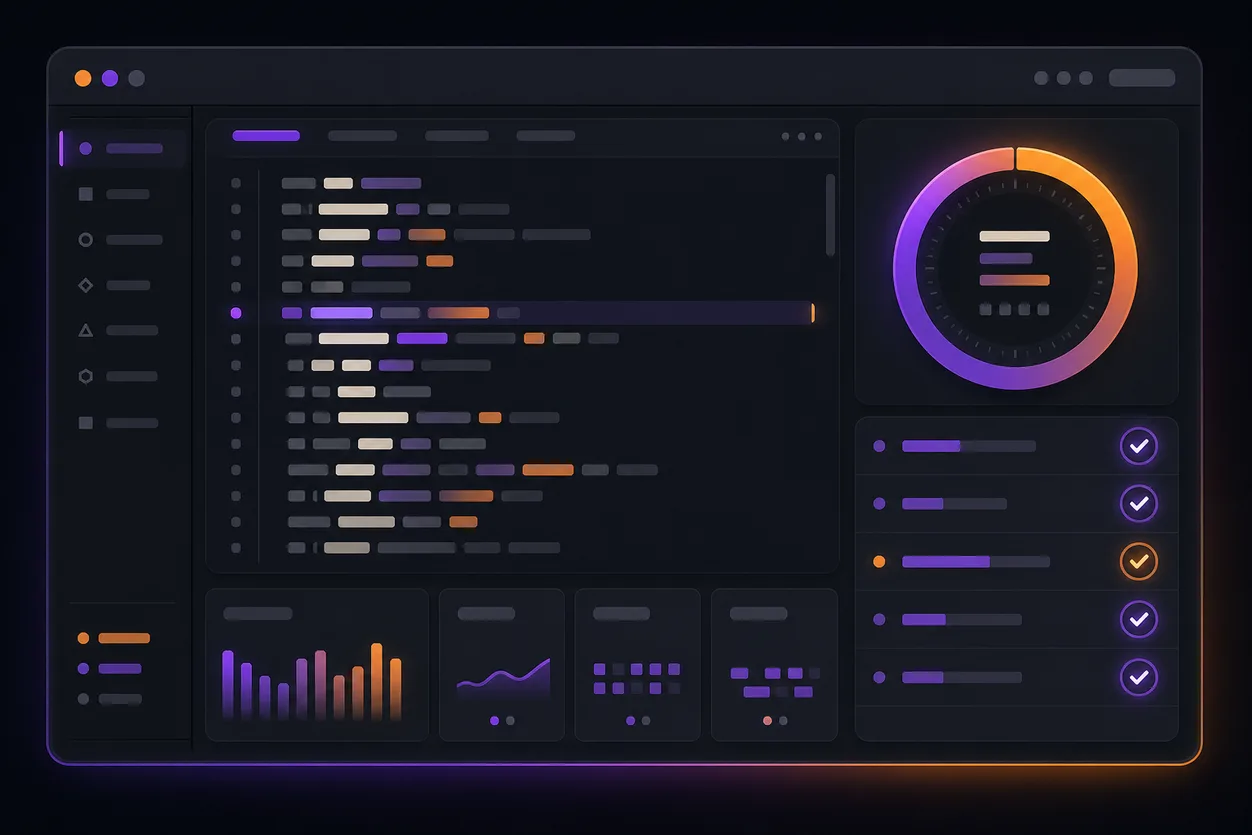
A CLI-first design quality gate for AI-built interfaces. It catches cookie-cutter layouts, weak contrast, and other "AI slop" patterns before launch — built from hundreds of hours shipping alongside coding agents.